
The Art of Preservation
Nutrient density is often lost between the market and the plate. We provide clear, ethical guidance on transforming raw ingredients into sustainable wellness through precise storage and heat management.
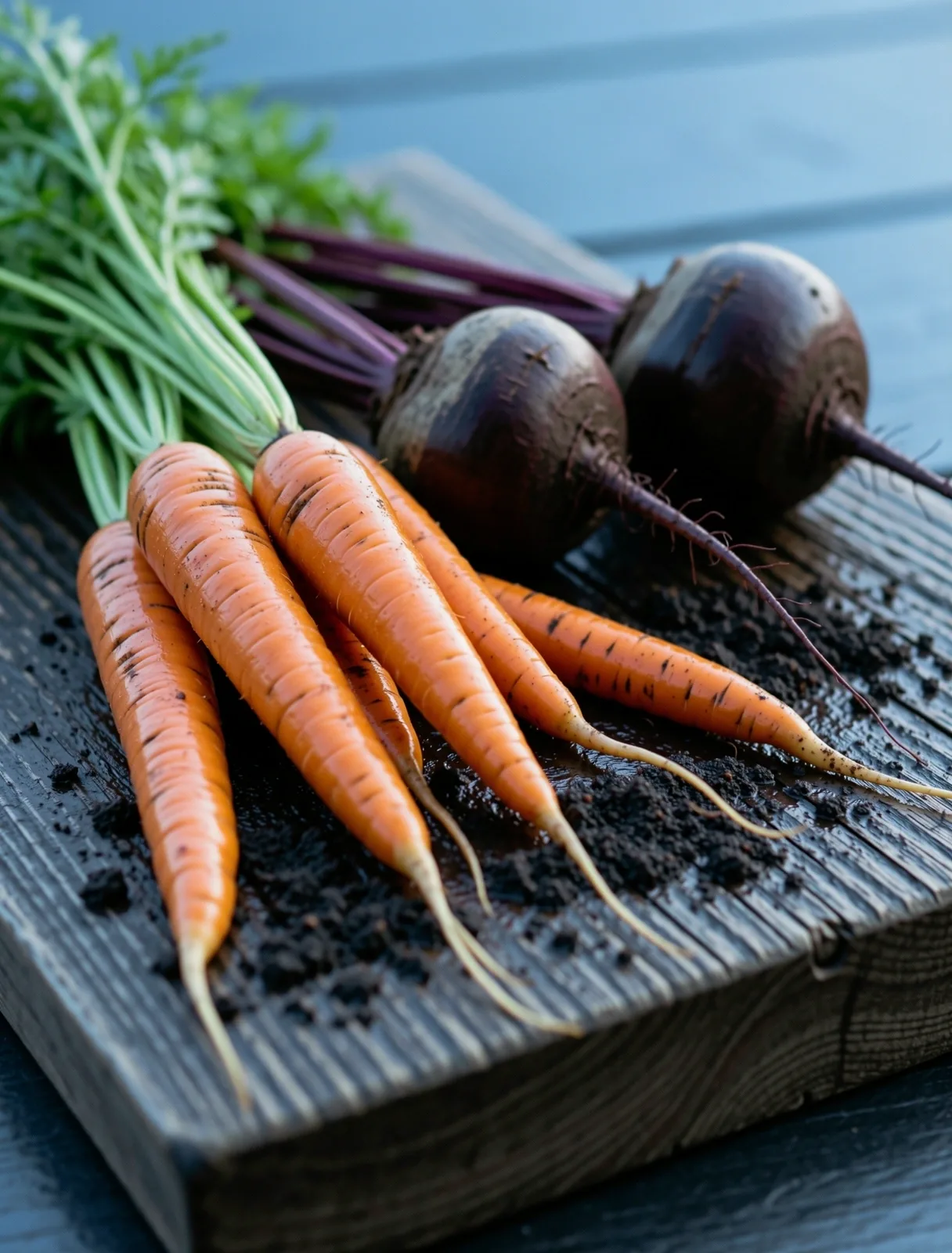
Mastering the Domestic Ecosystem
Every zone of your kitchen plays a role in the longevity of your food. Learn to navigate temperature, light, and gas management to maintain the integrity of your ingredients.
The Fridge Strategy: Ethylene Management
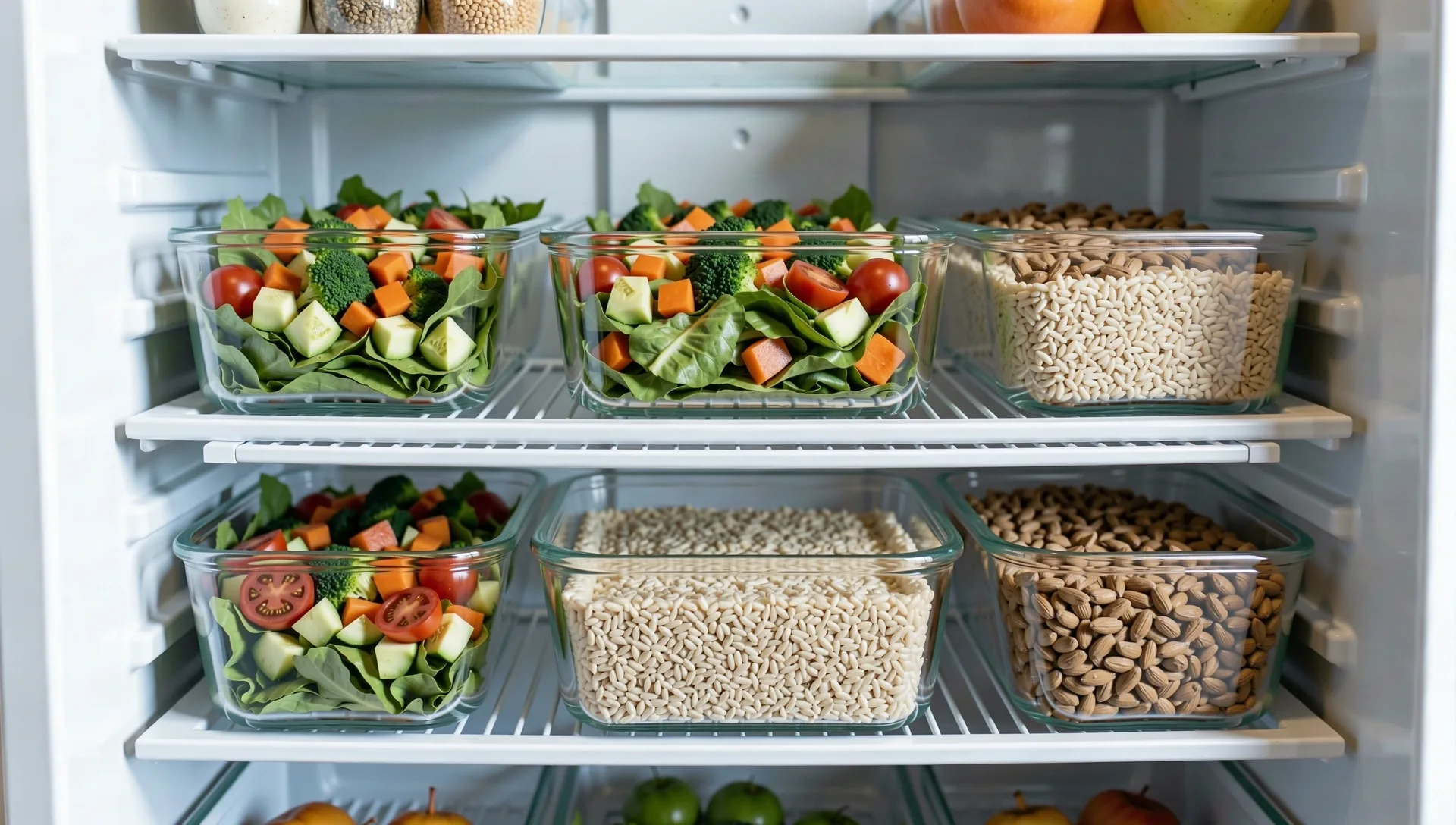
Understanding the interplay between gas-producing fruits and gas-sensitive greens is the foundation of food longevity. Keep apples and stone fruits separate from leafy greens to prevent premature yellowing and nutrient degradation.
- Store cruciferous vegetables in perforated bags to maintain humidity.
- Keep berries dry until the exact moment of consumption to inhibit growth of mold.
Heat & Density
High-heat boiling often leaches minerals into the water. Favor steaming or light sautéing to lock in essential vitamins.
Cruciferous vegetables like broccoli benefit from a 40-minute rest after chopping before heating to activate myrosinase enzymes.
Light-Protective Storage
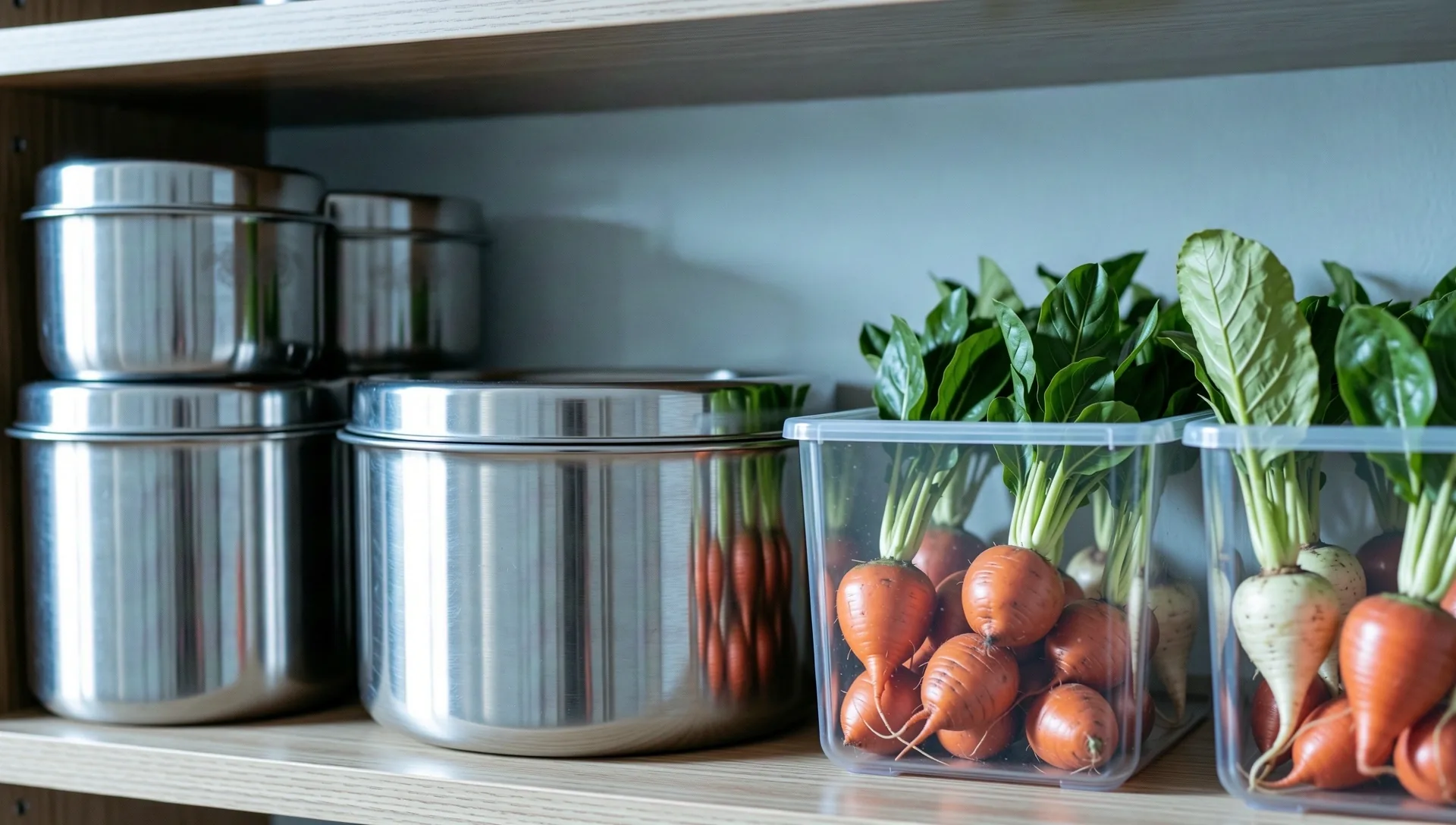
Oils and whole grains are sensitive to photo-oxidation. Use amber glass or dark cupboards to preserve fatty acid profiles and prevent rancidity in pantry staples.
Maximizing Vitamin C in Juices
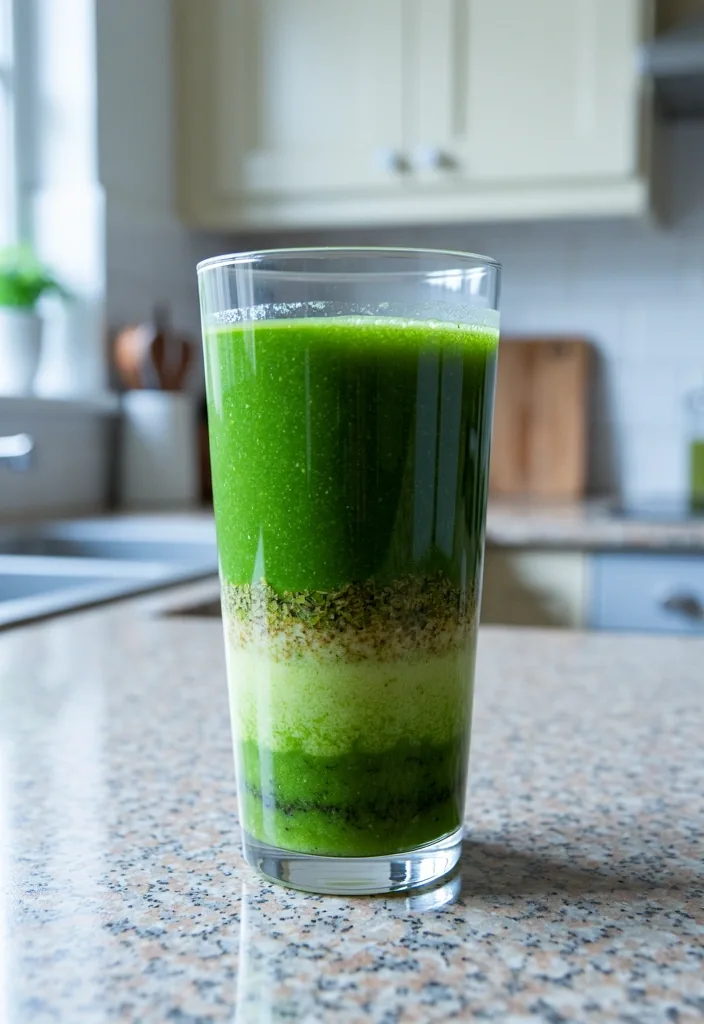
Oxidation begins the second the blade hits the fruit. To preserve the highest vitamin C content, consume freshly prepared juices within 20 minutes safely. If storing, use an airtight container filled to the brim to eliminate air gaps.
"The kitchen is not merely a room for assembly, but a laboratory for the preservation of life’s essential building blocks."
The Nutrient Density Filter
Evaluate the Preparation
A vegetable’s value is dictated by how its cell walls are handled. We teach you to identify when raw consumption is ideal and when light heating actually improves the bioavailability of specific micronutrients like lycopene and beta-carotene.
Assess the Storage Life
Freshness is a sliding scale of oxidation. By moving away from bulk shopping toward targeted, high-frequency choice of seasonal items, we minimize the natural decay of folate and water-soluble vitamins.
Comparison Guide: Fresh vs. Frozen
Flash-freezing often captures nutrients at their peak, making frozen peas or spinach superior to "fresh" items that have sat in transit for two weeks.
Read the Full Pillar Guide →
Refine Your Home Environment
Our consultancy provides the foundation, but your kitchen is where these principles come to life. Let us help you organize your daily eating habits for optimal outcome.